.png)
Winter Basement Waterproofing: How Snowmelt Causes Leaks & Flooding (Part 3)
- Dec 2, 2025
- 2 min read
Updated: Dec 31, 2025
In Part 3 of our Winter Foundation Readiness Series, we explain why basements leak more in winter — and how strategic waterproofing can prevent serious water damage.
Welcome to NEFCR’s Winter Foundation Readiness Series — a 5-week guide designed to help New England homeowners understand, prepare for, and protect against the structural challenges winter brings. Each Wednesday in December, we’re diving into a new topic that affects foundations during the coldest months of the year. Follow along as we break down the causes, warning signs, and solutions that keep your home safe through winter.
Part 3 — Winter Basement Waterproofing (December 17th)
Part 5 — Winter Structural Forecast 2026 (December 31st)
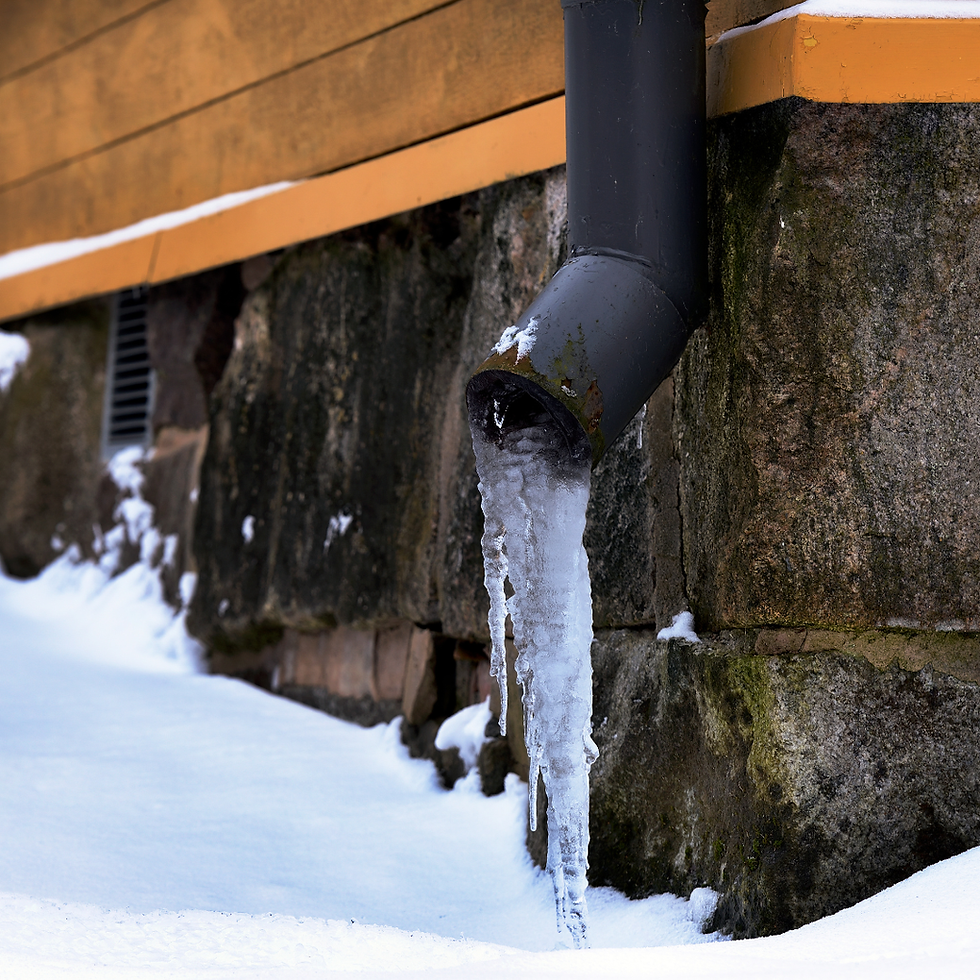
Why Winter Causes Basement Leaks
Most homeowners expect leaks in the spring — but winter is often worse. Three forces cause this:
1. Snowmelt saturates soil near the foundation
Warm daytime temperatures create meltwater that pools around the home.
2. Frozen soil traps water against foundation walls
When the ground freezes, water can no longer drain properly.
3. Sump pumps fail more often in cold weather
Icy discharge lines and overworked pumps lead to mid-winter breakdowns.
Why Basement Waterproofing Matters in the Winter
Older or insufficient waterproofing systems struggle during winter when snowmelt and frozen soil increase water pressure around the foundation. Homes with aging drainage, cracks, or previous seepage are especially vulnerable to mid-winter leaks.
How to Prevent Winter Basement Leaks
inspect your sump pump
clear snow away from foundation walls
seal cracks before temperatures drop
monitor basement humidity
evaluate drainage systems
If you see water seeping through cracks, it is a sign of increasing mid-winter pressure — not something to wait on.
Next in the Series
Continue reading: Part 4 — 2025 Foundation Repair Trends (Dec 24)
Missed Part 2? Read: Frost Heave Foundation Damage


Comments