.png)
2025 Foundation Repair Trends: What This Winter Means for Your Home (Part 4)
- Dec 24, 2025
- 3 min read
Updated: Jan 6
Welcome to NEFCR’s Winter Foundation Readiness Series — a 5-week guide designed to help New England homeowners understand, prepare for, and protect against the structural challenges winter brings. Each Wednesday in December, we’re diving into a new topic that affects foundations during the coldest months of the year. Follow along as we break down the causes, warning signs, and solutions that keep your home safe through winter.
This is part 4 of this mini series.

During the month of December, we’ll cover:
Each post will link to the others so you can follow the full journey from awareness to prevention once published.
The Most Common Foundation Repair Issues of 2025
Foundation cracks of all types were among the most frequently reported issues in 2025. Each crack can indicate something different, but this year’s weather patterns caused a noticeable increase in both frequency and severity.
Horizontal cracks are strongly associated with hydrostatic pressure. Heavy rainfall and early-season snowmelt saturated the soil surrounding foundations, pushing laterally against basement walls. Block walls and older poured-concrete walls were especially vulnerable, with many beginning to bow or curve inward as pressure built.
Vertical cracks, which are often dismissed as cosmetic, expanded more rapidly than usual due to repeated freeze–thaw cycles. Water entered small fissures, froze, and expanded, causing these cracks to lengthen or widen by late winter.
Diagonal and stair-step cracks increased in homes experiencing frost heave or uneven soil movement. As the ground froze and thawed, foundations shifted subtly but repeatedly, placing stress on corners and weak points and causing cracks to grow in irregular patterns.
Overall, the combination of saturated soil, fluctuating temperatures, and deep frost penetration forced many homeowners to confront foundation vulnerabilities that had been developing quietly for years.
2. Increased Lally Column Failures
More homeowners reported failing or compromised lally columns in 2025 than in any year prior. Many of these failures were tied to moisture exposure, especially in older basements with inadequate waterproofing or damp environments. Metal columns that sit directly on concrete floors without proper moisture barriers tend to rust from the bottom up. As corrosion progresses, columns lose their load-bearing capacity. This often presents as sagging floors, cracking plaster, misaligned doors, or visible gaps forming between the column and beam. NEFCR’s evaluation revealed that many homes still rely on decades-old, non-compliant posts that have reached the end of their lifespan.
Fieldstone foundations—common in New England homes built before 1950—saw significant deterioration throughout 2025. These foundations are particularly vulnerable to soil movement caused by freeze–thaw cycles, along with moisture infiltration that weakens the mortar. As mortar breaks down, stones begin to shift out of alignment, leading to bulging or bowing sections of wall. Homeowners often first notice this as uneven basement walls or increased moisture coming through the stone. Because fieldstone relies on the integrity of the mortar rather than modern reinforced concrete, once movement begins, deterioration tends to accelerate.
4. Water Intrusion and Sump Pump Demand
The combination of unusually warm days followed by sudden temperature drops in February and March created rapid freeze–thaw cycles that significantly increased groundwater movement around foundations. As snowmelt saturated the soil and overnight freezes locked moisture in place, many basements experienced elevated hydrostatic pressure — a key driver of winter water intrusion.
During this period, homes without sump pumps or with older, undersized, or poorly maintained systems saw the highest rate of basement seepage. Even houses that had remained dry throughout fall began experiencing water along floor edges, through existing cracks, or up from the cold joint where the wall meets the slab.
Many homeowners who believed they had “minor dampness” discovered that their basements could not handle the sudden influx of melt. The late-winter surge exposed failing pumps, frozen discharge lines, overwhelmed drainage systems, and the need for updated backup solutions.
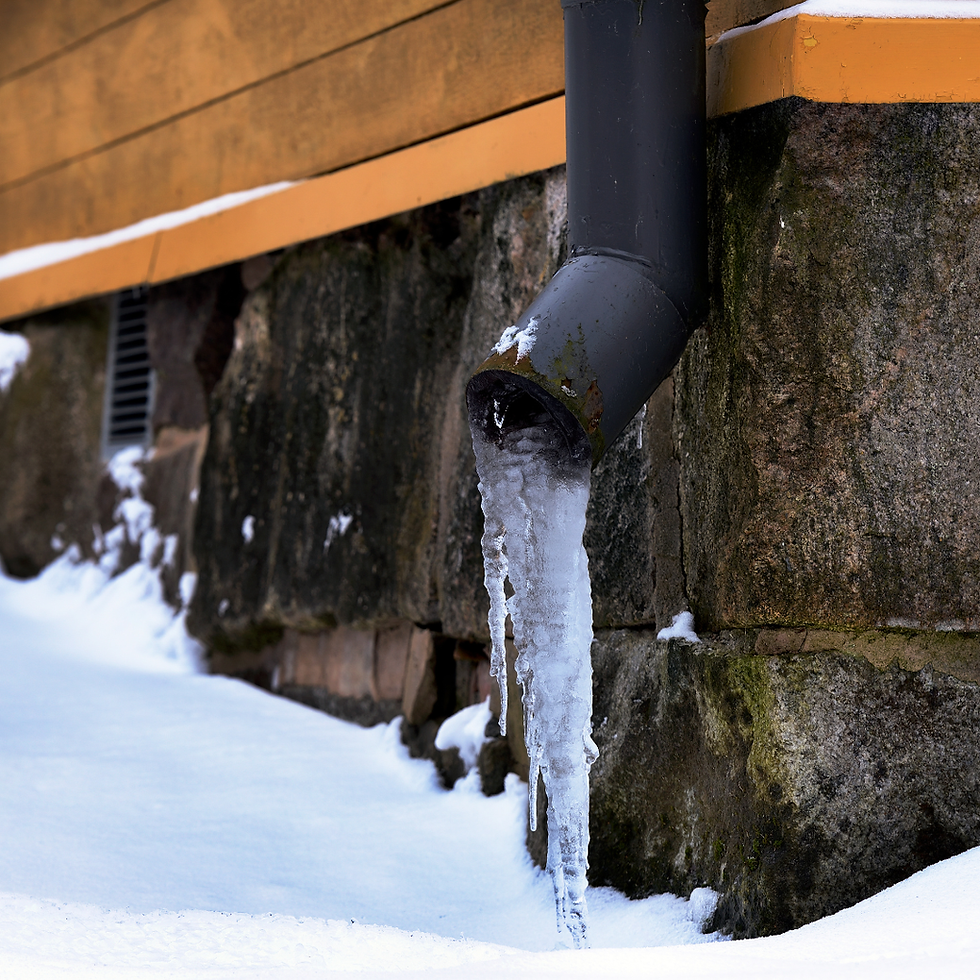
With climate variability increasing year over year, this pattern is expected to continue — making reliable sump pump systems a critical part of winter foundation protection.
Next in the Series
Continue reading: Part 5 — Foundation Forecast 2026 (Dec 31)
Missed Part 3? Read: Winter Basement Waterproofing


Comments